
Speech Pathology · Yagoona
Social Communication Support for Children & Teens
Helping children and teens navigate conversations, friendships and the unwritten rules of communication, in a way that respects who they are.
Overview
Understanding Social Communication
Social communication is how we use language with other people: starting and keeping a conversation going, taking turns, reading tone and body language, understanding jokes and adjusting what we say for different people and places.
Some children and teens find parts of this hard. They might struggle to join in with peers, misread situations, take things very literally or find group conversations exhausting. This is common for autistic young people and those with ADHD or language difficulties, but it can affect anyone.
Our aim isn't to make young people act a certain way or follow a script. It's to help them understand social situations, communicate in ways that feel natural to them, and build the connections they want, while helping the people around them understand them better too.
Signs & symptoms
When Speech Pathology Can Help
Every child develops differently. If any of the signs below sound familiar, it's worth reaching out for a professional opinion, even if you're not sure.
If your child or teen is feeling very anxious, withdrawn or low, please also speak with your GP, who can help with additional support.
What to expect
Our Assessment Process
We know assessments can feel daunting. Our process is thorough but warm, and we take our time to understand your child as a whole person.
Initial Enquiry
Refer through our online form or give us a call. We'll chat about your concerns and what your child or teen would like help with.
Assessment Appointment
We see children and teens in our Yagoona clinic or via telehealth. Beforehand, we'll ask about their development, school experience and any reports from other professionals.
During the Assessment
Through conversation, activities and age-appropriate tasks, we look at how your child understands and uses language with others. For older children and teens, we'll talk with them directly about what they find easy, hard and important.
Feedback and Next Steps
We share our first impressions on the day. You'll then receive a clear, jargon-free report with our findings and recommendations.
Therapy
How We Help
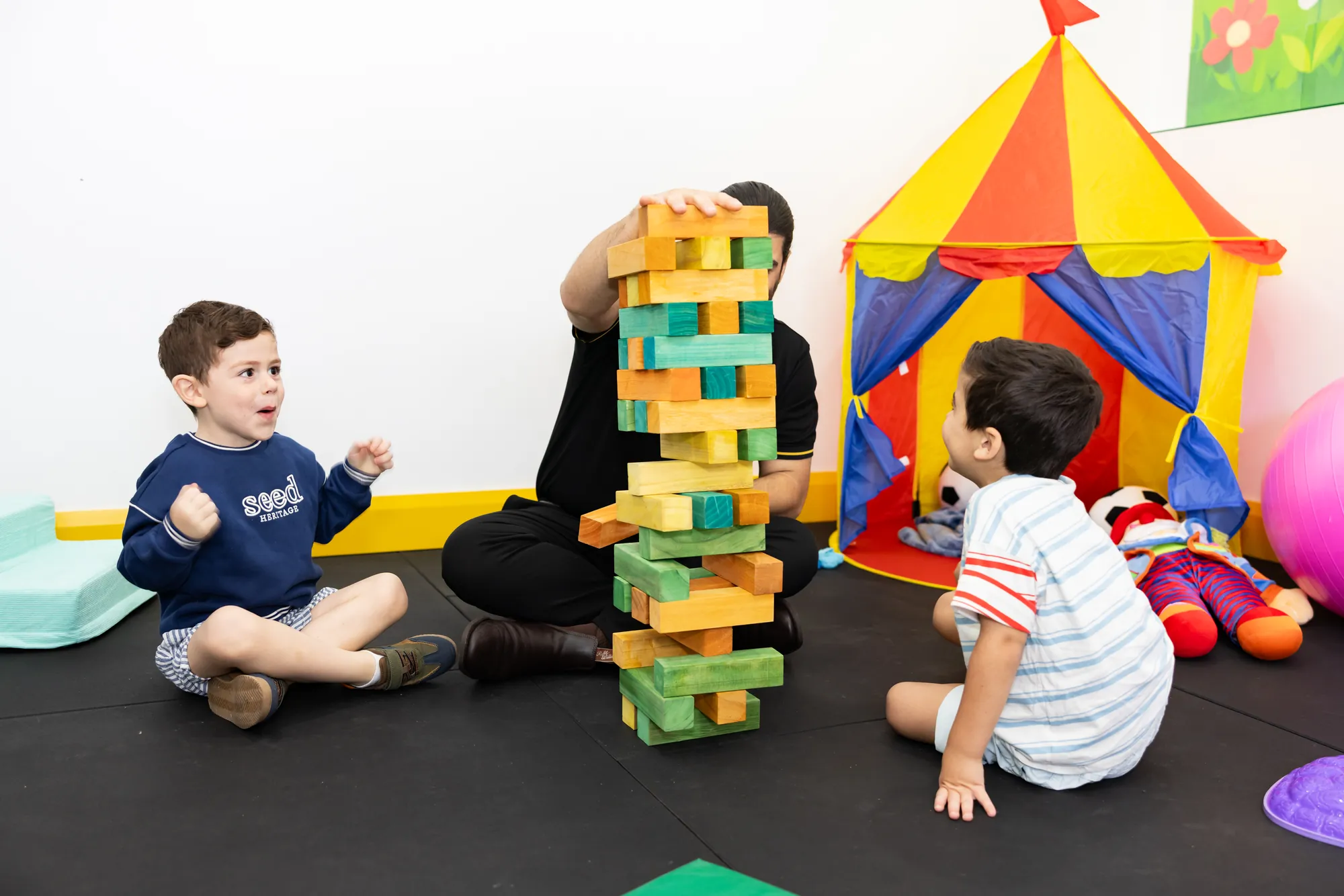
Therapy is practical and built around real situations your child or teen faces, such as joining a game at lunch, working in a group at school or handling a disagreement with a friend. Goals are set with the young person wherever possible, because they're more motivated when therapy reflects what matters to them.
What we work on
- Understanding conversations, perspectives and social situations
- Starting, joining and keeping conversations going
- Reading tone, body language and non-literal language
- Problem solving when misunderstandings happen
- Self-advocacy, such as explaining needs to teachers and peers
- Strategies for parents and teachers
Individual Therapy
One-to-one sessions focused on the situations your child or teen finds hardest, at their pace.
Self-Advocacy Support
Helping young people understand their own communication style and confidently explain what helps them.
Parent and School Collaboration
With consent, sharing strategies with family and teachers so support is consistent.
What families can expect
What Progress Can Look Like
We set measurable goals and track progress carefully, so you always know where your child is and where they're heading.
Ready to start? Our team is happy to answer your questions. There's no obligation, just a friendly conversation.
Refer NowCommon questions
Frequently Asked Questions
Still have questions? Our full FAQ page covers many more topics, or just give us a call and we'll help.
Related services
Related Services
Other areas our team supports. If you're not sure which is right for you, contact us and we'll point you in the right direction.
Language Delays
Assessment and therapy for children whose understanding or use of language is behind expectations.
Learn moreSchool Readiness
Preparing young children for the language and communication demands of starting school.
Learn moreReady to Get Started?
Not sure if this is the right fit? Contact us and we'll help you figure out the next step.
Prefer to talk? Call us on (02) 9052 6095