
Speech Pathology · Yagoona
Helping Your Child Speak Clearly
Assessment and therapy for children who are hard to understand or have trouble saying certain sounds.
Overview
Understanding Speech Sound Difficulties
All children make speech errors while they're learning to talk. Saying "tat" for "cat" or "wabbit" for "rabbit" is completely normal for a while. But when sound errors continue past the expected age, or make a child hard to understand, it's worth getting a Speech Pathologist's opinion.
Speech sound difficulties come in a few different forms. Some children have trouble making a particular sound, like a lisp on "s". Others have trouble with the patterns of sounds in words, such as leaving off the ends of words. A smaller group find it hard to plan and coordinate the movements for speech, known as childhood apraxia of speech.
Clear speech matters for confidence, friendships and learning. Children who are hard to understand can become frustrated or quiet, and early sound difficulties can affect reading and spelling later on. The good news is that speech sound difficulties usually respond well to therapy, especially when families are involved.
Signs & symptoms
Signs Your Child May Need Support
Every child develops differently. If any of the signs below sound familiar, it's worth reaching out for a professional opinion, even if you're not sure.
Every child develops at their own pace. If you're unsure, a quick chat with our team can help you decide whether an assessment is worthwhile.
What to expect
Our Assessment Process
We know assessments can feel daunting. Our process is thorough but warm, and we take our time to understand your child as a whole person.
Initial Enquiry
Refer through our online form or give us a call. We'll have a relaxed chat about your concerns and answer any questions.
Assessment Appointment
We see children in our Yagoona clinic or via telehealth. Beforehand, we'll ask about your child's development and any previous reports. If your child hasn't had a recent hearing test, we may suggest one, as hearing affects how speech develops.
During the Assessment
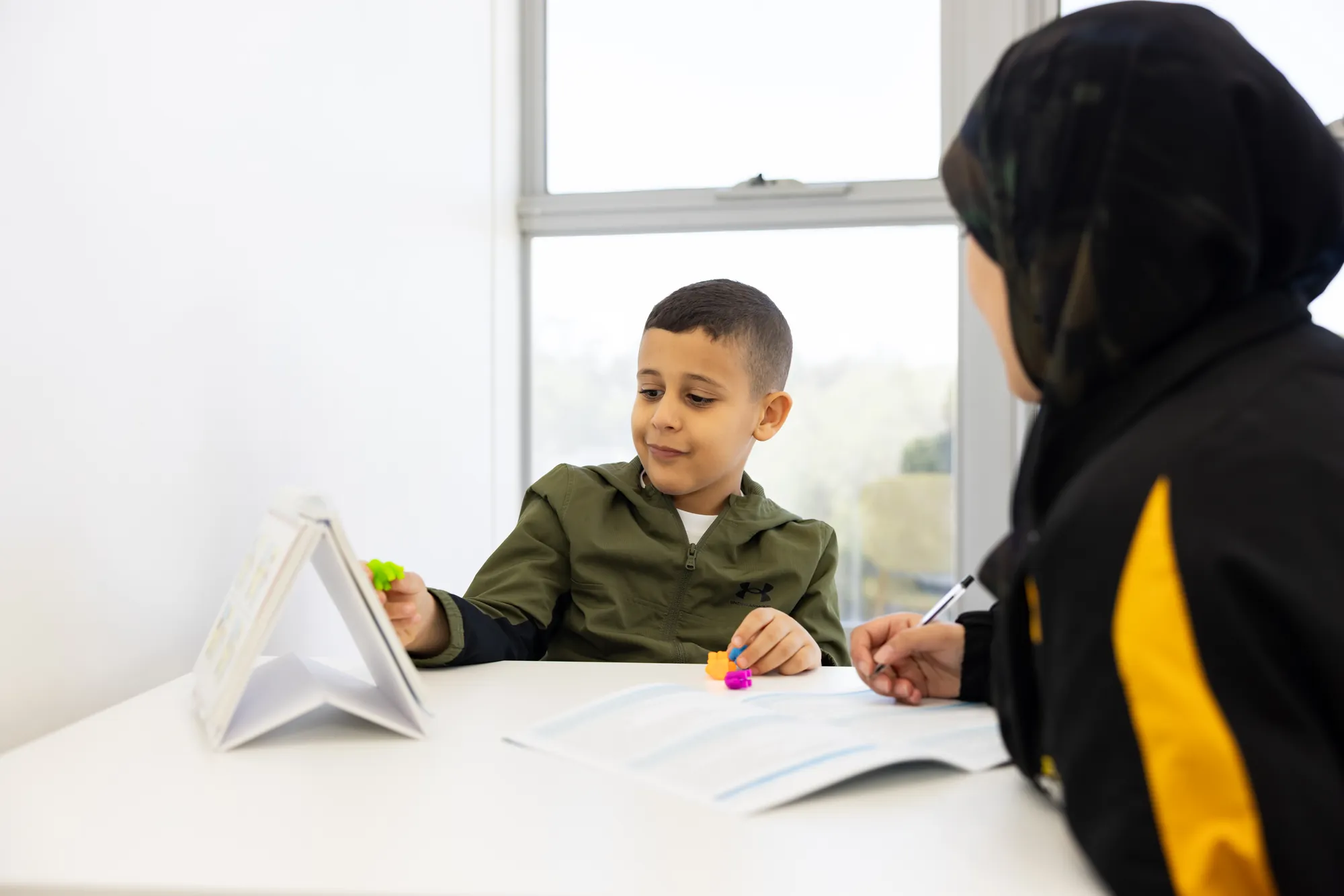
Your child names pictures and plays while we listen to how they say sounds in words and conversation. We also check the mouth muscles and how easily your child is understood. It's play-based, and you're in the room the whole time.
Feedback and Next Steps
We share our first impressions on the day. You'll then receive a clear, jargon-free report with our findings and recommendations.
Therapy
How We Help Children Speak Clearly
Therapy is matched to the type of speech sound difficulty, because different difficulties need different approaches. Sessions are short, active and fun, with lots of practice built into games, so children get the repetition they need without it feeling like work.
Working together
You'll learn exactly what to practise at home and how, usually just a few minutes a day. That home practice is often what makes the biggest difference.
What we work on
- Teaching how to make individual sounds
- Working on sound patterns across many words at once
- Motor speech practice for childhood apraxia of speech
- Listening activities so your child hears the difference between sounds
- Home practice plans that fit busy family life
- Links between speech sounds and early reading, where relevant
Articulation Therapy
Step-by-step practice to learn individual sounds, from saying them on their own to using them in everyday conversation.
Phonological Therapy
Activities that target sound patterns, helping your child change many words at once.
Motor Speech Therapy
Intensive, structured practice for children with childhood apraxia of speech, focusing on smooth, accurate movements.
What families can expect
What Progress Typically Looks Like
We set measurable goals and track progress carefully, so you always know where your child is and where they're heading.
Ready to start? Our team is happy to answer your questions. There's no obligation, just a friendly conversation.
Refer NowCommon questions
Frequently Asked Questions
Still have questions? Our full FAQ page covers many more topics, or just give us a call and we'll help.
Related services
Related Services
Other areas our team supports. If you're not sure which is right for you, contact us and we'll point you in the right direction.
Ready to Get Started?
Not sure if this is the right fit? Contact us and we'll help you figure out the next step.
Prefer to talk? Call us on (02) 9052 6095