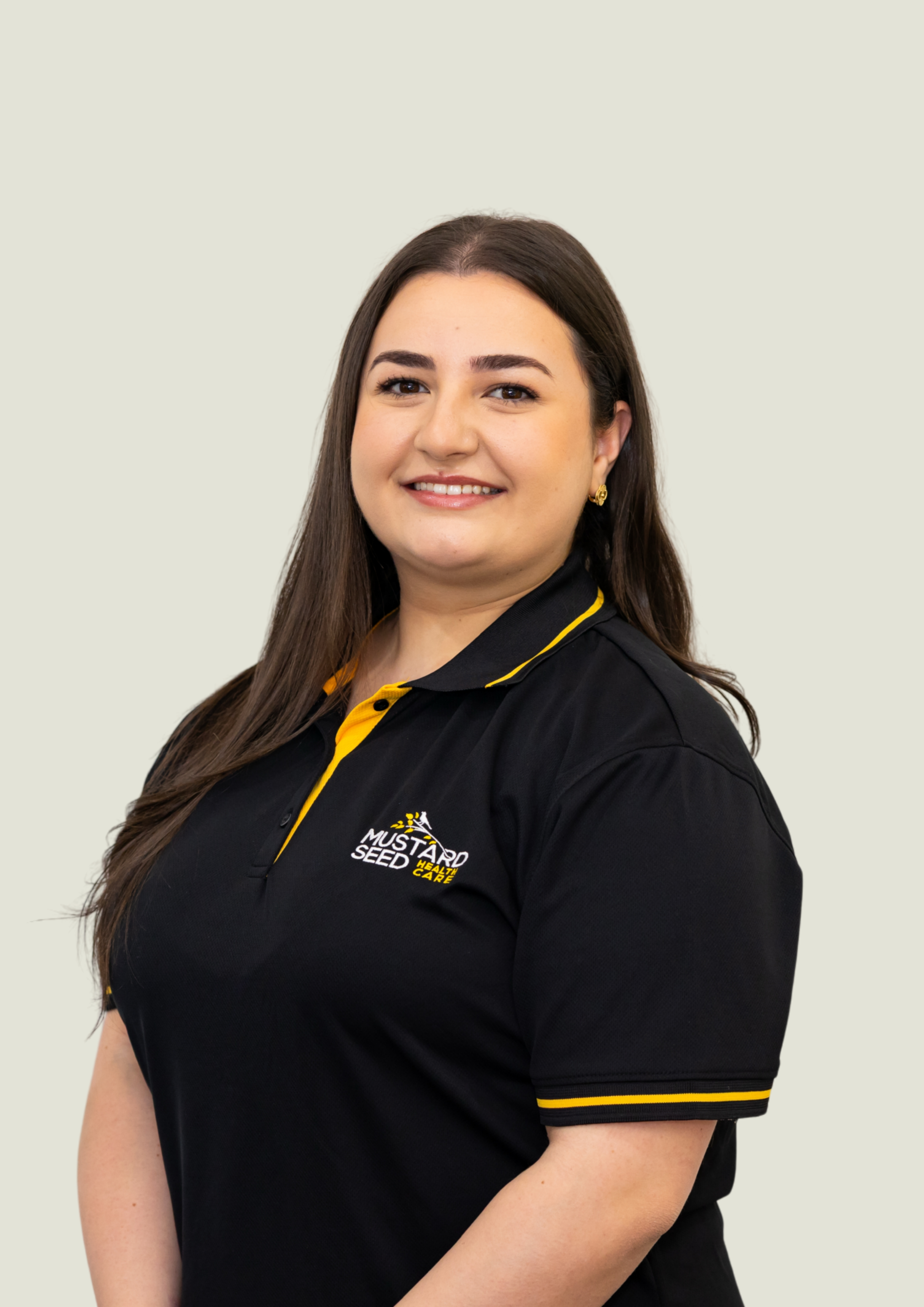
Written by Amy Taouil, Speech Pathologist (CPSP), Mustard Seed Health Care. Reviewed November 2026.
What if your child had more to say than they could put into words? For some children, speech doesn't fully meet their communication needs. Augmentative and Alternative Communication (AAC) can help bridge that gap, providing ways to express thoughts, feelings and ideas while supporting communication and literacy development.
Many parents worry that introducing AAC will stop their child from learning to talk. It's one of the most common misconceptions about communication devices, and it can delay children getting the support they need. The good news is that research tells a very different story.
What is AAC?
Augmentative and Alternative Communication (AAC) refers to tools and strategies that individuals use to communicate when speech alone isn't enough. It can be as simple as gestures and pictures, or as advanced as a speech-generating device that speaks aloud.
AAC can be used alongside spoken language or as an alternative to speech. Every child's communication needs are different, and Speech Pathologists help identify and tailor a system to suit your child's individual needs, abilities, preferences and everyday environments.
Types of AAC
- Unaided AAC: communication that uses only the body, such as gestures, facial expressions and Key Word Sign (KWS).
- Low-tech AAC: communication boards, picture symbols, alphabet boards and communication books.
- High-tech AAC: speech-generating devices and tablet apps that say a word or message aloud when it is selected.
Most people who use AAC use a mix of these, choosing whatever works best in the moment.
Who can benefit from AAC?
AAC can help anyone whose speech doesn't meet all of their communication needs. Children who may benefit include those who:
- have autism and are non-speaking, minimally speaking, or able to speak only some of the time
- have childhood apraxia of speech (CAS) or speech that is very hard for others to understand
- have Down syndrome, cerebral palsy, or another genetic or developmental condition
- have significant language delays and are frustrated by not being understood
AAC also supports teens and adults, including people who have lost speech after a stroke or brain injury, or who have progressive conditions such as motor neurone disease (MND).
Your child doesn't need a diagnosis, or to reach a certain age or skill level, before exploring AAC.
AAC myths and truths
There are several misconceptions about AAC that can make individuals hesitant to explore it for their loved one. Here are some of the most common:
Myth 1: AAC will stop my loved one from learning to talk
Truth: Research shows that AAC does not hinder speech development and may support spoken language for some children. In a major review of AAC research, no participants' speech declined after AAC intervention, and most showed some gains (Millar, Light & Schlosser, 2006). AAC gives children a way to communicate while their speech and language skills continue to develop, rather than requiring them to wait until they can speak.
Myth 2: AAC is only for individuals who don't speak at all
Truth: AAC can benefit individuals who use some spoken words but find it difficult to communicate consistently or express more complex ideas. It can be used alongside speech, gestures and signs to give children more ways to communicate.
Myth 3: AAC is just for requesting things
Truth: Communication is about much more than asking for something. AAC can help individuals share their opinions, ask questions, express emotions, comment on activities and engage in conversations. It can also support literacy skills by providing opportunities to explore letters, words, sounds and written language.
Myth 4: Bilingual families have to choose one language for AAC
Truth: Many AAC systems can be set up in more than one language, so children can communicate with everyone in their life, including grandparents and extended family. Keeping your home language is important for connection and identity. Our team includes Arabic-speaking Speech Pathologists who can support families using Arabic and English.
Wondering if AAC could help your child?
Book an AAC assessment with our Speech Pathologists in Yagoona.
What therapy looks like with AAC
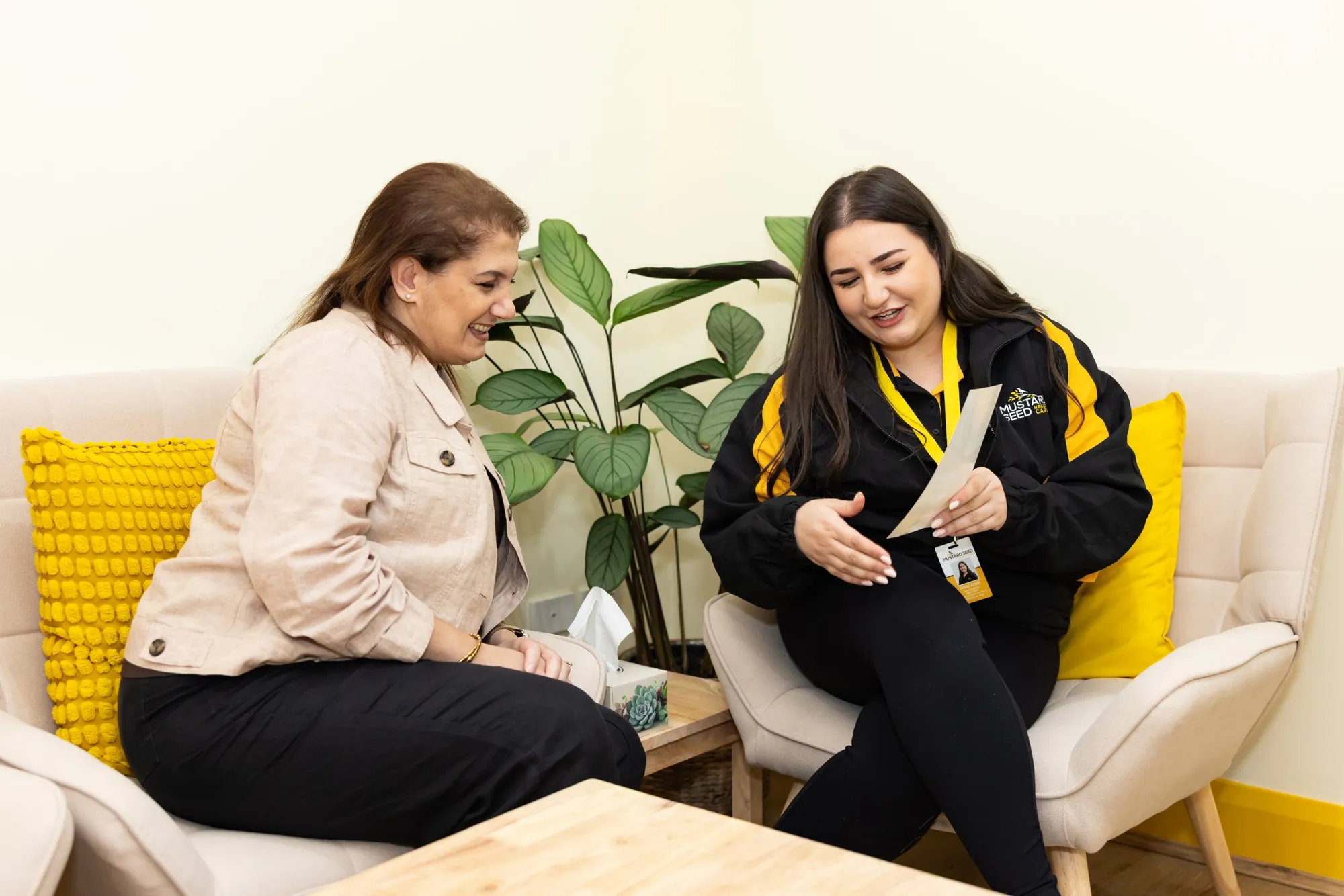
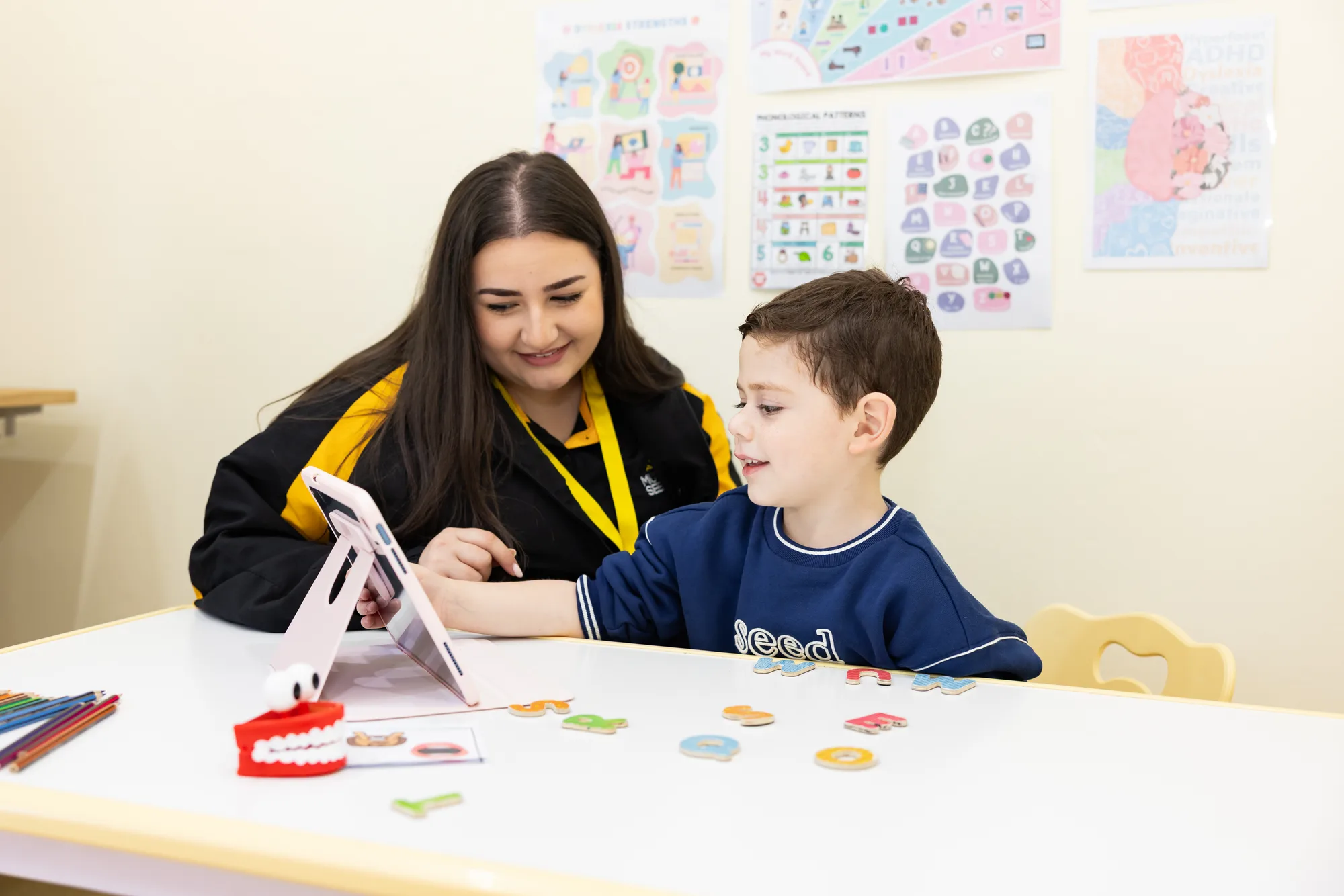
AAC therapy is about much more than learning to use a device. Speech Pathologists work with individuals and their families to build communication skills and make AAC a meaningful part of everyday life. It usually starts with an assessment, where your Speech Pathologist looks at how your child currently communicates, along with their language, movement, vision and interests, and trials different options to find the best fit.
Aided language modelling is a strategy we use alongside AAC systems to facilitate communication, which refers to speaking naturally whilst selecting words on the communication system. For example, during play, a Speech Pathologist might say, "The car is going fast!" while selecting relevant words on the device to show the individual how to use AAC without putting pressure on them to copy or respond straight away. Therapy may focus on developing vocabulary, combining words, expressing feelings, taking turns in conversations and participating in activities such as shared book reading. AAC can also be incorporated into early literacy tasks, including recognising letters, exploring speech sounds and developing reading and writing skills.
Families and educators play an important role, too. Therapists will seek to provide education to families and educators on using and modelling AAC during everyday routines, keeping the communication system accessible, and providing more opportunities to learn and communicate across different environments to support their communication. The goal is to help each individual express themselves as independently and confidently as possible.
Can the NDIS fund AAC?
Yes. For NDIS participants, both AAC therapy and the communication system itself can be funded, usually from different parts of the plan:
- Assessment, trial, report writing and training are funded from your Capacity Building (therapy) budget.
- The device or system, such as a speech-generating device or a tablet with an AAC app, is funded as assistive technology. Most dedicated devices come from Capital Supports; some lower-cost items can come from your Core budget.
- Evidence: the NDIS usually needs a report from your Speech Pathologist explaining the recommended system, why your child needs it and how it will help, often after a trial period.
If you have a plan review coming up and think AAC could help, talk to your Speech Pathologist beforehand so assessment hours and assistive technology funding can be requested. NDIS rules change from time to time, so check the current requirements with your planner, support coordinator or our team.
Learn more about NDIS Speech Pathology at Mustard Seed Health Care
Frequently asked questions
What age can a child start using AAC?
There is no minimum age. Toddlers can start using AAC, and research supports introducing it early rather than waiting to see whether speech develops (Romski et al., 2010).
Will my child need AAC forever?
It depends on the child. Some use AAC for a while as their speech develops, while others use it long term as one of their main ways to communicate. Either way, it gives them a voice now.
How much does AAC cost?
It varies widely. Paper-based communication boards cost very little, while dedicated speech-generating devices can cost several thousand dollars. NDIS funding may cover the cost for eligible participants.
How we can help
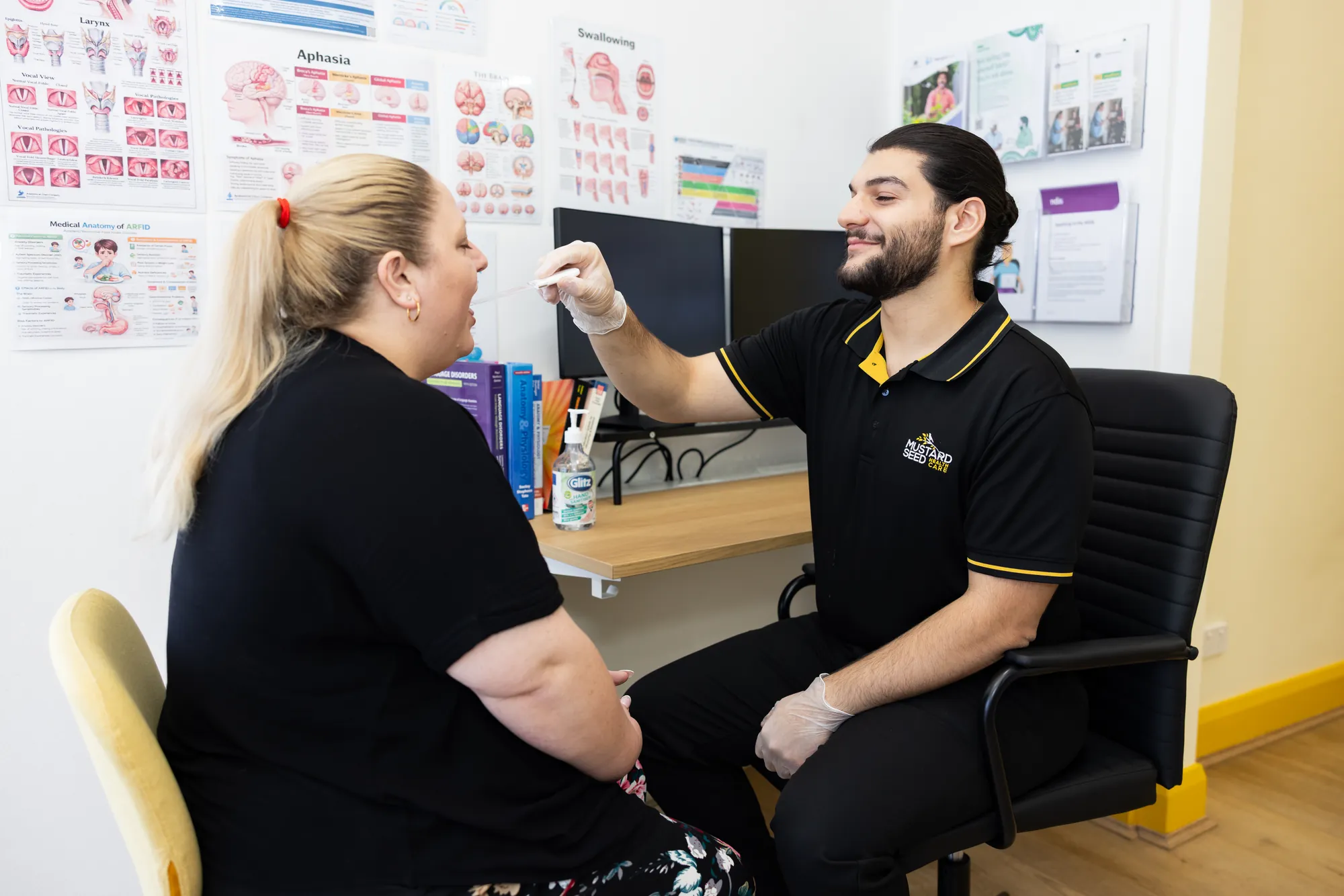
At Mustard Seed Health Care in Yagoona, our Speech Pathologists support people with communication difficulties by assessing whether AAC could help and identifying an approach tailored to each individual's needs. We work closely with families and educators to introduce AAC, build confidence with communication systems and support language development in everyday settings. Our goal is to help every person communicate, connect and participate more fully in the world around them.
Ready to explore AAC for your child?
Meet our team
References
Jensen, E., Douglas, S. N., & Gerde, H. K. (2023). Dispelling myths surrounding AAC use for children: Recommendations for professionals. Inclusive Practices, 2(1), 30–36. https://doi.org/10.1177/27324745221144308
Millar, D. C., Light, J. C., & Schlosser, R. W. (2006). The impact of augmentative and alternative communication intervention on the speech production of individuals with developmental disabilities: A research review. Journal of Speech, Language, and Hearing Research, 49(2), 248–264. https://doi.org/10.1044/1092-4388(2006/021)
Romski, M. A., Sevcik, R. A., Adamson, L. B., Cheslock, M., Smith, A., Barker, R. M., & Bakeman, R. (2010). Randomized comparison of augmented and nonaugmented language interventions for toddlers with developmental delays and their parents. Journal of Speech, Language, and Hearing Research, 53(2), 350–364. https://doi.org/10.1044/1092-4388(2009/08-0156)
Speech Pathology Australia. Augmentative and alternative communication [Fact sheet]. https://www.speechpathologyaustralia.org.au/Communication_Hub/Resources/Fact_Sheets/Augmentative-and-Alternative-Communication.aspx

 Speech & Language